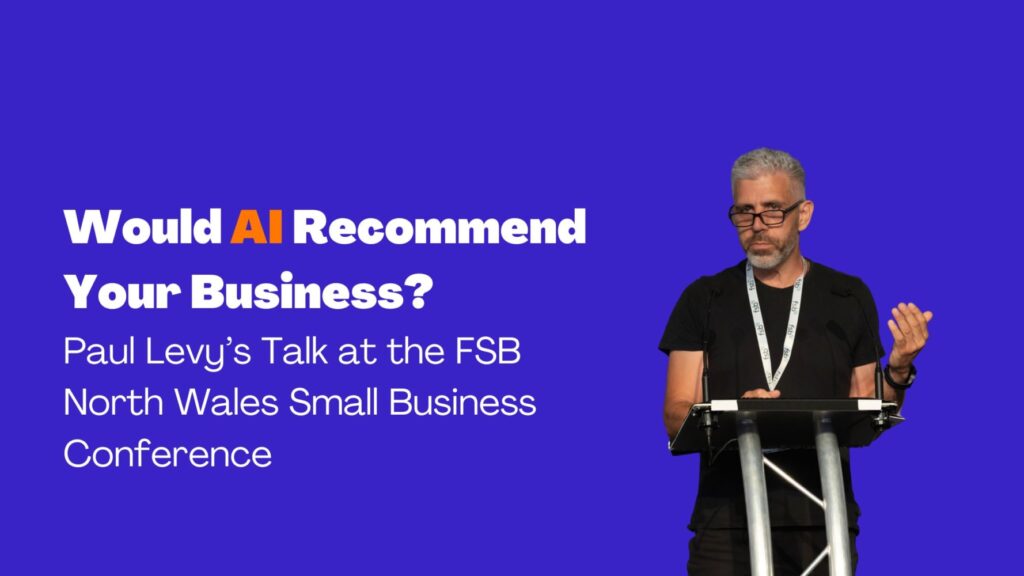
In 2024, Google’s AI Overviews, formerly known as Search Generative Experience (SGE), began rolling out widely, changing how users interact with search results. These AI-generated summaries appear at the top of the results page, often replacing or pushing down traditional organic listings. For website owners and marketers, this shift means one thing: a new SEO frontier. This area is gaining traction with online search specialists such as Livetech under the banner of GEO (Generative Engine Optimisation).
So how do you make sure your content gets featured, or at least cited, in Google’s AI Overviews? Here’s a practical, research-backed guide to help you optimise for visibility in this new AI-first search world.
Understand What AI Overviews Are
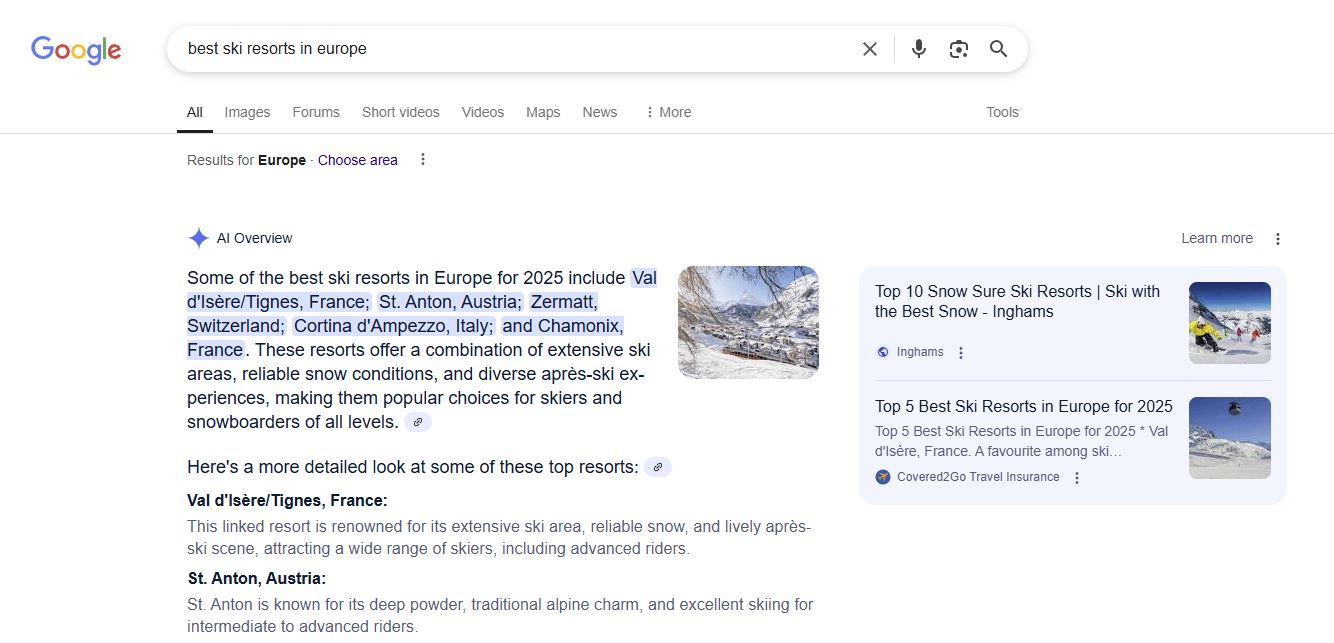
AI Overviews are concise, AI-generated summaries that answer user queries directly at the top of the search results. They’re powered by Google’s large language models, pulling in information from multiple sources across the web to synthesise answers. While they often cite sources, not every mention includes a link or clear attribution.
Your goal: Be among the trusted sources Google’s AI references.
Focus on First-Hand, Expert-Level Content
AI models prioritise high quality, authoritative content. That means:
- First-hand experience: Publish original insights, data, tutorials or case studies.
- Author authority: Use real names, credentials, and bios to build topical expertise.
- E-E-A-T: Google still relies heavily on Experience, Expertise, Authoritativeness, and Trust when sourcing AI summaries.
Tip: Use schema markup to clearly communicate author expertise.
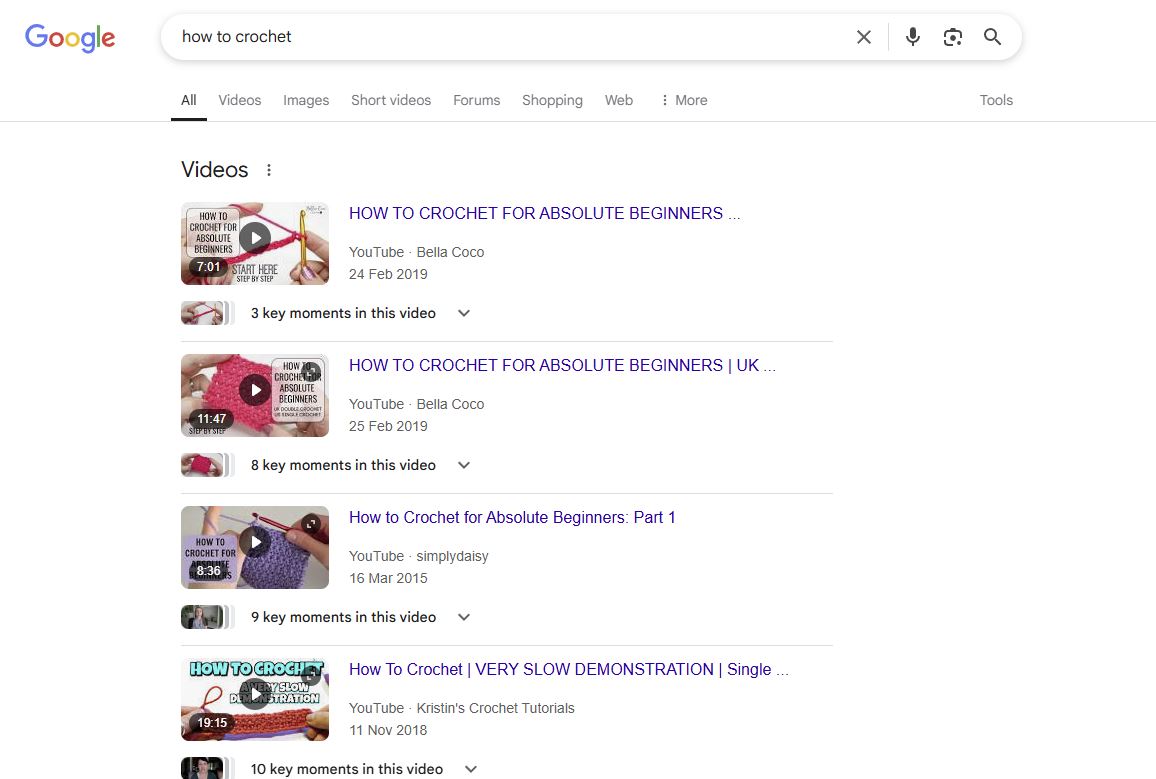
Use More Multimedia (Images, Videos, and Infographics)
Google’s AI Overviews increasingly reference content that includes visual aids to enhance explanations and user understanding. Multimedia can help your content stand out and increase the chances of it being cited.
Here’s how to do it effectively:
Images: Include original images with descriptive
alttext. Charts, diagrams, and screenshots are particularly useful.Videos: Embed relevant, high-quality videos. If you’re explaining a process or tutorial, consider creating a YouTube video and embedding it in your post.
Infographics: Summarize complex information visually. These are often cited or linked to by others—boosting your authority.
Target Specific, Question-Based Queries
AI Overviews ten to appear most for queries that are:
- Informational (“How to start a podcast”)
- Comparison based (“Apple Vision Pro vs Meta Quest 3”)
- Instructional or explainer-focused.
Actionable tip: Optimise content around long-tail, question based keywords. Use natural language and answer the question clearly within the first 100 words.
Structure Content for Easy Parsing
To get cited, your content needs to be machine-readable:
- Use clear headings (H2, H3) the mirror likely search queries
- Include bullet points and numbered lists for step-by-step processes
- Create concise summaries at the top or bottom of articles
This helps Google’s AI quickly extract and contextualise your information.
Add Data, Statistics & Definitions
AI Overviews frequently cite factual snippets like definitions, data points and timelines. Make your content a go-to source by:
- Including recent statistics and citing credible sources
- Offering short, quotable definitions of key terms
- Updating frequently to remain relevant and accurate
Implement Structured Data Markup
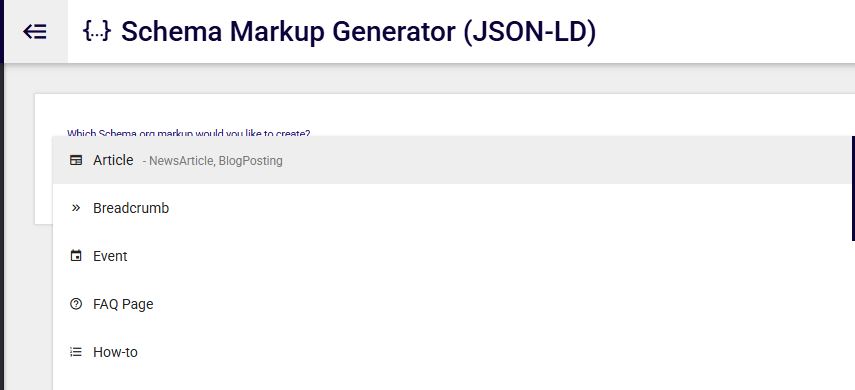
Structured data (Schema) helps Google systems better understand your content. For AI overviews prioritise:
- How To for tutorials and guides
- FAQs for Q&A style content
- Article, WebPage, Product and Review types as appropriate
Proper makeup doesn’t guarantee inclusion but increases your chance significantly.
Optimise for Page Experience and Crawlability
Although AI Overviews rely on content quality first, technical SEO still matters:
- Fast loading times (especially on mobile)
- Clear internal linking
- Proper use of meta tags and canonical URLs
- XML sitemaps and robots.txt properly configured
These basics ensure your content is accessible and crawlable for Google’s systems.
Build Trust and Backlinks
While AI-generated answers can come from anywhere, content with strong backlinks, social proof and user engagement often gets preference in AI citations. Don’t neglect:
- Digital PR
- Outreach for citations
- Sharing content on high-authority platforms
Monitor and Adapt
Since Google is continuously evolving its AI search features, use these tools to track your performance:
- Google Search Console: Look for changes in impressions and click-through rates
- AI Overview reporting tools
- Feedback from users: Are they finding your site through AI answers?
Treat this like any SEO campaign – test, analyse and iterate.
Final Thoughts
Ranking in Google’s AI Overview isn’t just about gaming an algorithm. It’s about becoming the best answer, consistently, reliably and authoritatively.
In this new era, those who invest quality, clarity and credibility will not survive the AI transition, they’ll thrive.
Need help with your SEO? Get in touch and let’s talk!